

Rabbits are treated as quiet pets, which mostly means people are not reading them. They communicate constantly, and once you can see it a rabbit becomes a much more legible animal.
What the body is saying
- Standing up on the back legs, sometimes called periscoping. Curious and alert, getting a better view of something.
- Flat to the ground with the ears back. Frightened, trying not to be seen. The same flatness with the back legs stretched out behind is the opposite: completely relaxed.
- The loaf, with all four feet tucked underneath. A rabbit in this shape cannot bolt quickly, so it is a real statement that they feel safe.
- Ears forward means interested. Ears back means frightened or cross. One of each means undecided, and is worth watching rather than reaching for.
The sounds they make
- Grunting or growling. Low and guttural, often with a lunge behind it. Anger or feeling cornered. Give them room.
- Tooth purring. A soft rhythmic grinding you feel through your fingers more than hear, while stroking them. This is the rabbit version of a purr and means real contentment.
- Loud tooth grinding. Much harsher and audible across a room. This is pain, often severe, and it means a vet today rather than tomorrow. The difference between this and purring matters more than any other sound on this list.
- Honking. Soft and repeated, usually an unneutered male courting.
- Screaming. High and piercing, meaning terror or extreme pain. It is an emergency and you will not mistake it for anything else.
The behaviours worth knowing
- The thump. One or both back feet slammed down. In the wild it warns the warren. At home it means frightened, annoyed, or strongly disapproving of something you or another pet has just done.
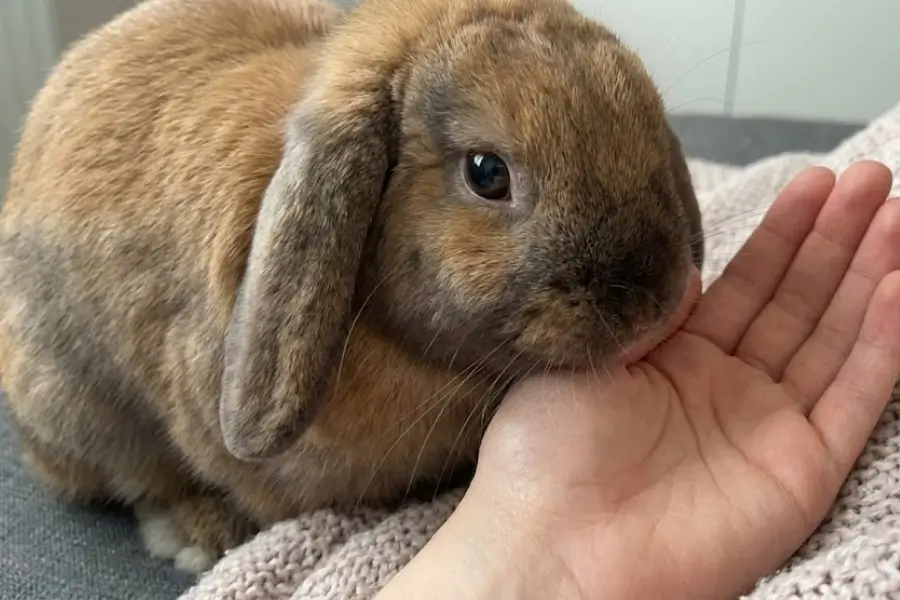
- The nudge. A nose pushed into your hand or leg. Usually pay attention to me, sometimes you are in my way. It is a polite request and worth answering, because a rabbit that gets no response stops asking.
- The binky. A leap into the air with a twist and a kick. There is no ambiguity about this one at all. It is pure delight, and a rabbit that binkies regularly is a rabbit whose life is working.
- Licking and grooming you. A considerable compliment. Grooming is how rabbits bond, and being groomed means you have been accepted.
- Chinning. Rubbing the chin along objects and people, depositing scent from glands under the jaw. This is mine, filed and recorded.
- Circling your feet, often with soft honking. Courting behaviour, affectionate, and usually much reduced by neutering.
Why it is worth learning
Most of what gets called a difficult rabbit is a rabbit whose warnings were not being read. The thumps and the ears back were there before the nip was.
And the pain signals in particular repay knowing, because rabbits are prey animals who conceal illness until they cannot. Loud tooth grinding, a hunched posture and going quiet are often the only notice you get.












0 Comments