
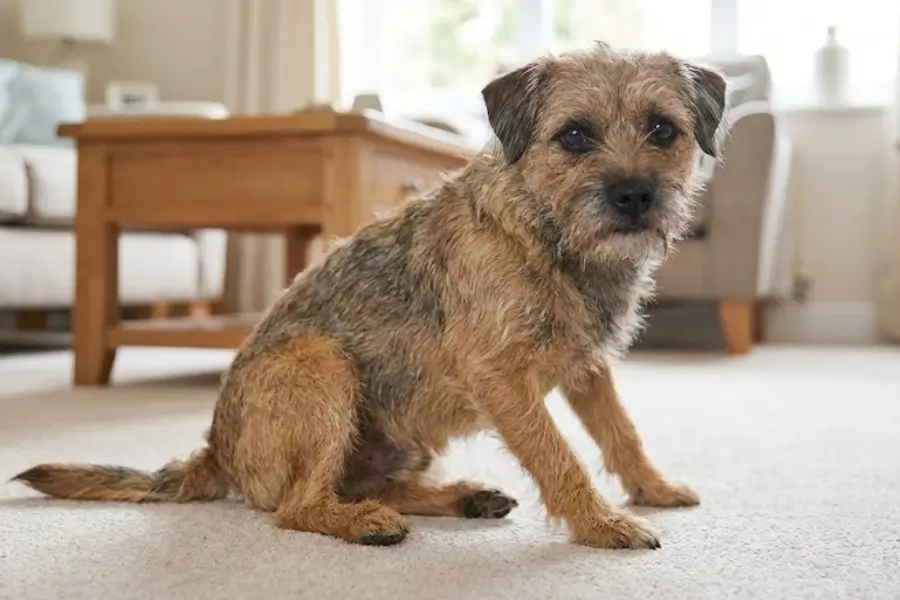
The dog sits down mid-room and drags itself across the carpet. It looks comic and it is not a joke: scooting is a symptom, not a habit.
Something back there is itching, sore or blocked, and this is the only tool the dog has for dealing with it. Here is the list of causes, most likely first.
Anal glands, which is usually the answer
Two small sacs about the size of a grape sit either side of the anus. They hold an oily, strong-smelling fluid that normally gets squeezed out as the dog passes a stool, and it works as a scent marker.
When they do not empty properly the fluid thickens, the sacs swell, and the dog is genuinely uncomfortable. Left alone, an impacted gland can become infected and form an abscess, which can burst through the skin and is both painful and expensive.
What it looks like
- Scooting regularly rather than once.
- Licking or biting at the back end.
- A strong fishy smell that follows the dog around.
- Reluctance to sit, or sitting down carefully.
- Redness or swelling around the anus.
What to do
See your vet. They or an experienced groomer can empty the glands manually, which is immediate relief. If it is infected you will need antibiotics and something anti-inflammatory. For a dog that keeps having the problem, a higher fibre diet firms the stool, and a firmer stool empties the glands on the way past, which is the actual fix rather than repeated appointments.
The other causes
Tapeworms
A common cause of itching back there. Dogs pick them up by swallowing a flea carrying the larva, usually while grooming. As the worm matures, segments that look like grains of rice pass out and cause real irritation.
A faecal test confirms it and a deworming treatment clears it easily. The important part is the flea prevention, because without that the whole cycle simply repeats.
Allergies
Dogs react to food and to environmental triggers like pollen, dust mites and grass, and itchy skin is how it usually shows. The skin under the tail is thin and a common target.
Finding the trigger is the work. Food allergy means an elimination diet done properly, which takes a couple of months. Environmental allergy is managed with medication. Your vet will steer this, and guessing at it rarely gets anywhere.
A dirty or sore bottom
Sometimes it is exactly what it looks like. Faeces caught in the coat around the anus is very irritating, and so is clipper rash after a grooming appointment.
Keep the area clean and trimmed, wash gently with warm water and a mild dog-safe soap, and see the vet if the skin is broken or looks infected.
Not enough fibre
Soft stool does not press hard enough to empty the glands on the way out, so the problem starts upstream of the glands themselves.
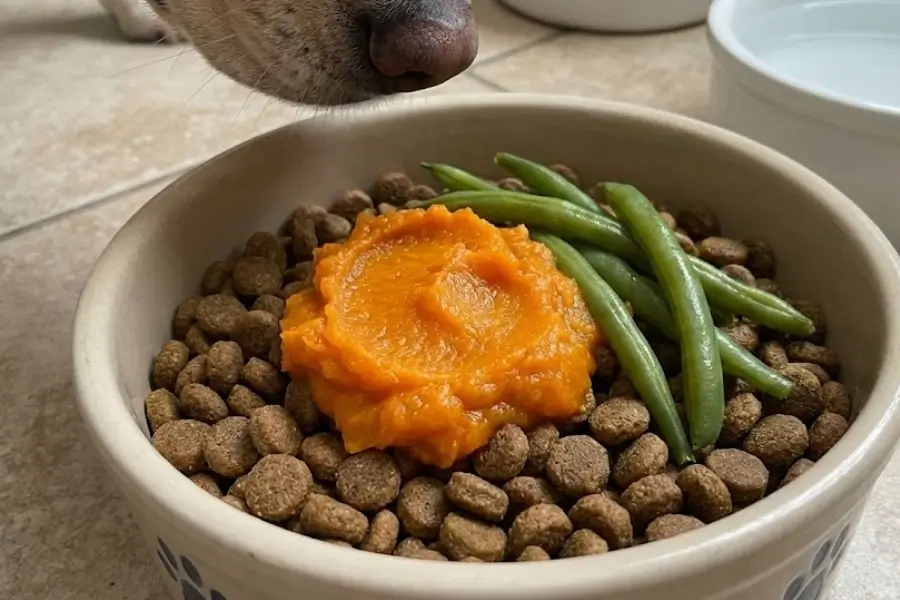
Plain tinned pumpkin, not pie filling, is the usual first thing to try. Your vet may suggest a prescription high-fibre food or a supplement if it keeps recurring.
Less common, more serious
Tumours around the anus, rectal prolapse and injury all cause scooting too. These are uncommon and they need proper veterinary assessment rather than home management.
When to make the appointment
One scoot and nothing else was probably a passing itch. Book a visit if:
- It keeps happening.
- There is licking, biting, redness or swelling as well.
- There is a strong smell.
- The dog seems to be in pain, or will not settle to sit.
- You see rice-like segments in the stool or stuck to the fur.
It is a small problem caught early and a considerably larger one left alone. An abscessed anal gland is a miserable thing for a dog, and it starts as exactly this.












0 Comments