
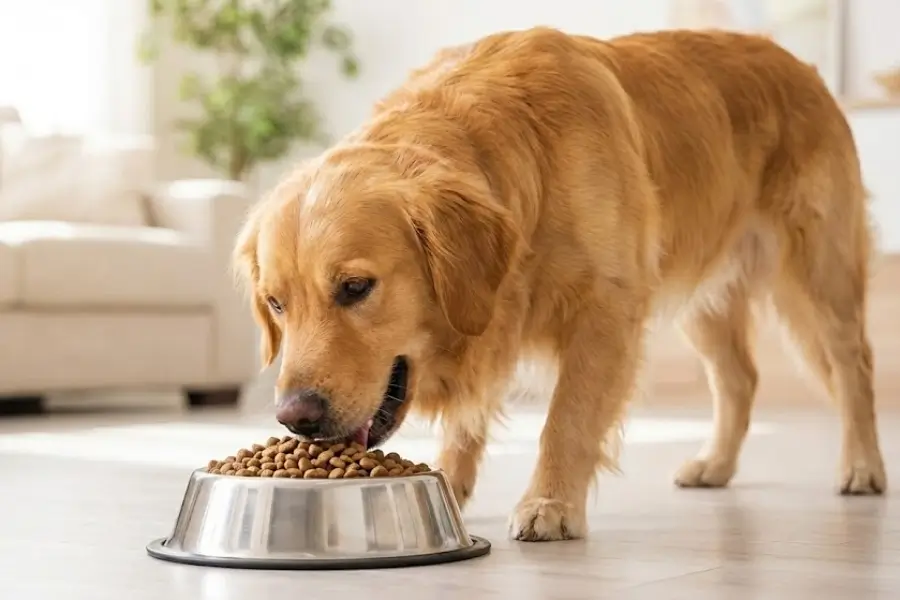
Pet food marketing is loud and much of it is meaningless. Words like premium, holistic and human-grade have no regulatory definition at all, and a bag can carry every one of them while the food inside is unremarkable.
Here is what to actually read, and what tells you whether it is working.
The ingredients list
Ingredients are listed by weight before cooking, so the first few matter most. One thing worth knowing: fresh meat listed first contains a lot of water, and loses most of its weight during processing, so a meat meal further down can contribute more actual protein.
- Protein. A named animal source, chicken, beef, lamb or salmon, rather than meat or animal derivatives. Named is the key word.
- Carbohydrates. Rice, oats, corn or potato for energy. Grain-free foods generally use peas, lentils or sweet potato instead.
- Fats. Again named, such as chicken fat or salmon oil, and important for skin, coat and condition.
- Fruit and vegetables for vitamins and antioxidants. Usually present in small amounts, whatever the picture on the bag suggests.
- Added vitamins and minerals, which are necessary rather than suspicious. Complete food has to be supplemented to be complete. What is worth avoiding is artificial colour, which exists purely so the food looks appealing to you.
One note on grain-free. Unless your dog has a diagnosed grain allergy, which is rare, there is no evidence it is healthier, and foods high in peas and lentils have been the subject of an ongoing investigation into a link with heart disease. Worth a conversation with your vet rather than an assumption.
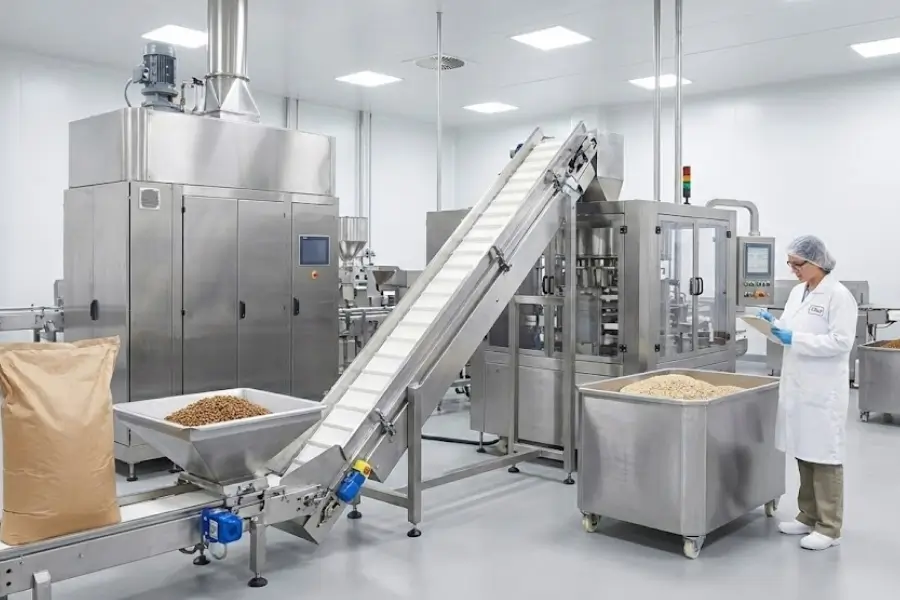
Who made it, which matters more than the bag
The meaningful quality signals are about the company rather than the recipe.
- Look for the nutritional adequacy statement saying the food is complete and balanced for your dog’s life stage, and whether that was established by feeding trials or only by formulation on paper. Trials are the stronger claim.
- Prefer companies that employ full-time qualified nutritionists, own or closely control their manufacturing, and test both incoming ingredients and finished batches.
- Check whether the brand has a recall history, which is public and takes two minutes to look up.
A useful question to ask any manufacturer: who formulated this food, and what are their qualifications. Good companies answer it immediately. It is a more revealing question than anything on the label.
Whether it is working
The real test is the dog in front of you, over a couple of months rather than a couple of days.
- Going well: glossy coat, clear eyes, steady energy, firm well-formed stools, stable weight.
- Going badly: dull coat, flaky skin, heavy shedding, low energy, loose stools, wind, or recurrent itching and ear problems.
Match the food to life stage and size as well. Puppy, adult and senior formulas differ for real reasons, and large-breed puppy food is specifically balanced to control growth rate and protect developing joints.
The practical summary
Buy from a manufacturer that can tell you who formulated the food and how it was tested, match it to your dog’s life stage and size, and then judge it on the dog over a couple of months.
Change food gradually over a week to ten days, and talk to your vet before switching if your dog has any ongoing health condition. The most expensive food is not reliably the best one, and the dog is a better guide than the bag.












0 Comments