
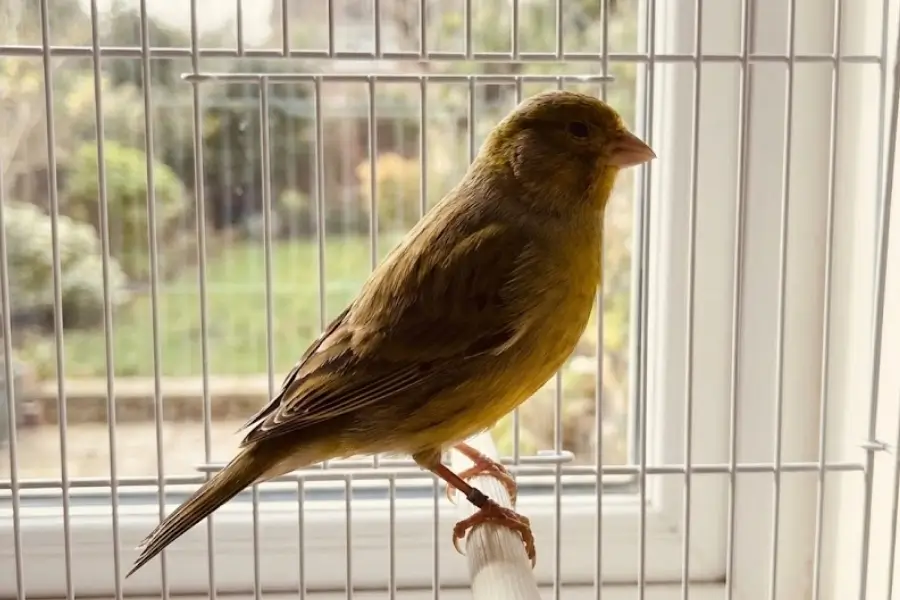
A bird that sang every morning and has gone quiet is worth paying attention to. Silence is a change, and changes in birds are worth reading.
It is often nothing. Work through the ordinary explanations first, and know which signs mean stop guessing and ring the vet.
The normal reasons
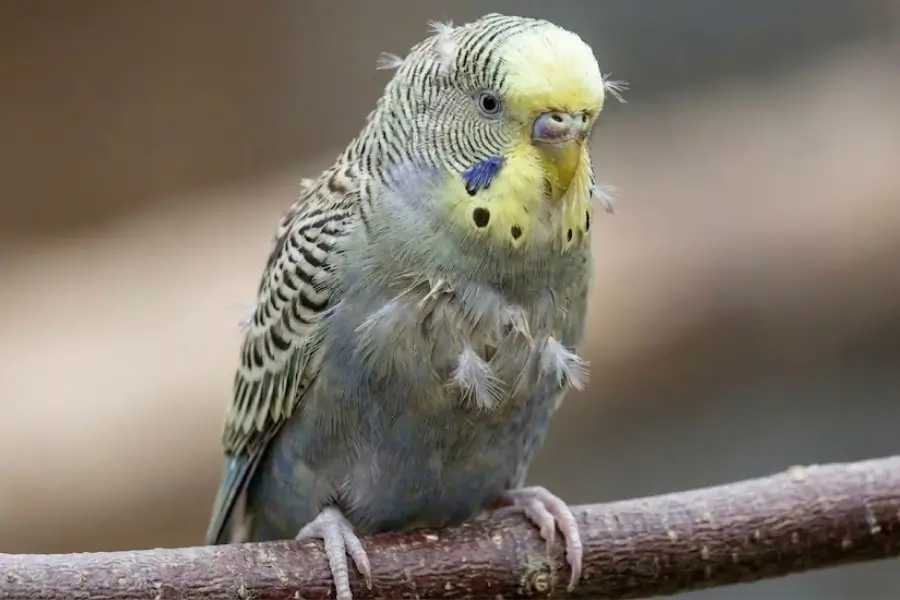
- Moulting. Much the most common. Growing a full set of feathers is enormously expensive in energy, and a moulting bird is tired, often a bit irritable, and not inclined to sing. It comes back when the moult finishes.
- Age and sex. In several species, canaries among them, only the males sing properly. Older birds sing less than they did, which is not in itself a problem.
- Season and time of day. Birds are loudest in the breeding season and in the early morning. A quieter patch through winter, or through the middle of the day, is simply the rhythm.
- Young birds go quiet while they learn. They listen before they practise, and the practising sounds nothing like the finished song.
The environmental reasons
- Something moved. A cage shifted to another room, or a house move, and the bird goes silent until it decides the new place is safe. Give it a fortnight before worrying.
- Light. Irregular light cycles disrupt the internal clock and cause stress and lethargy. Aim for a consistent 10 to 12 hours of light and the same in proper darkness, at the same times each day.
- Boredom and loneliness. Parrots especially are social and intelligent, and a bird left alone for long stretches without company or anything to do can become genuinely withdrawn. Silence is often the first sign of that, well before plucking starts.
When it is a health problem
Birds hide illness thoroughly, because in the wild an obviously sick bird is the one that gets taken. By the time symptoms are visible, things are usually well advanced.
Get an avian vet appointment if the silence comes with any of these:
- Sitting fluffed up for long periods.
- Lethargy, or sitting on the floor of the cage.
- Not eating, or eating noticeably less.
- Any change in droppings, in colour, consistency or quantity.
- Laboured breathing, tail bobbing with each breath, or an open beak at rest.
Respiratory infections and air sac mites both make vocalising physically difficult, so a bird that seems to be trying to call and producing little is worth taking seriously rather than watching.
How to approach it
Work outward. Is it moulting. Has anything changed in the room. Is the lighting consistent. Is the bird getting enough company and something to do.
If none of those explain it, or if anything on the symptom list is present, the answer is a vet rather than another week of observation. With birds, waiting to see is the thing that turns a treatable problem into a lost one.












0 Comments